
Swing Like You Dance: 5 Dance Patterns for a Better Golf Swing
Unlock rhythm, balance, and rotational consistency by borrowing movement patterns from salsa, rumba, waltz, ballet, and ballroom — five dance patterns with practical drills you can groove on the range or your home simulator.
The Surprising Connection Between the Dance Floor and the Fairway
Great golf swings don’t look powerful because of brute strength. They look effortless because of rhythm, sequencing, balance, and rotational power generated from the ground up.
Sound familiar? That’s exactly what dancers train for in every practice: hip and pelvic rotation, dynamic balance during weight transfer, sequencing from the ground up, tempo, and body awareness between upper and lower body. Instructors have long leaned on dance and music analogies to teach these qualities — LPGA winner and Annika Academy instructor Charlotta Sorenstam even built a drill around it (more on that below).
The best part? You don’t need to become a dancer. You just need to borrow the patterns that matter most.
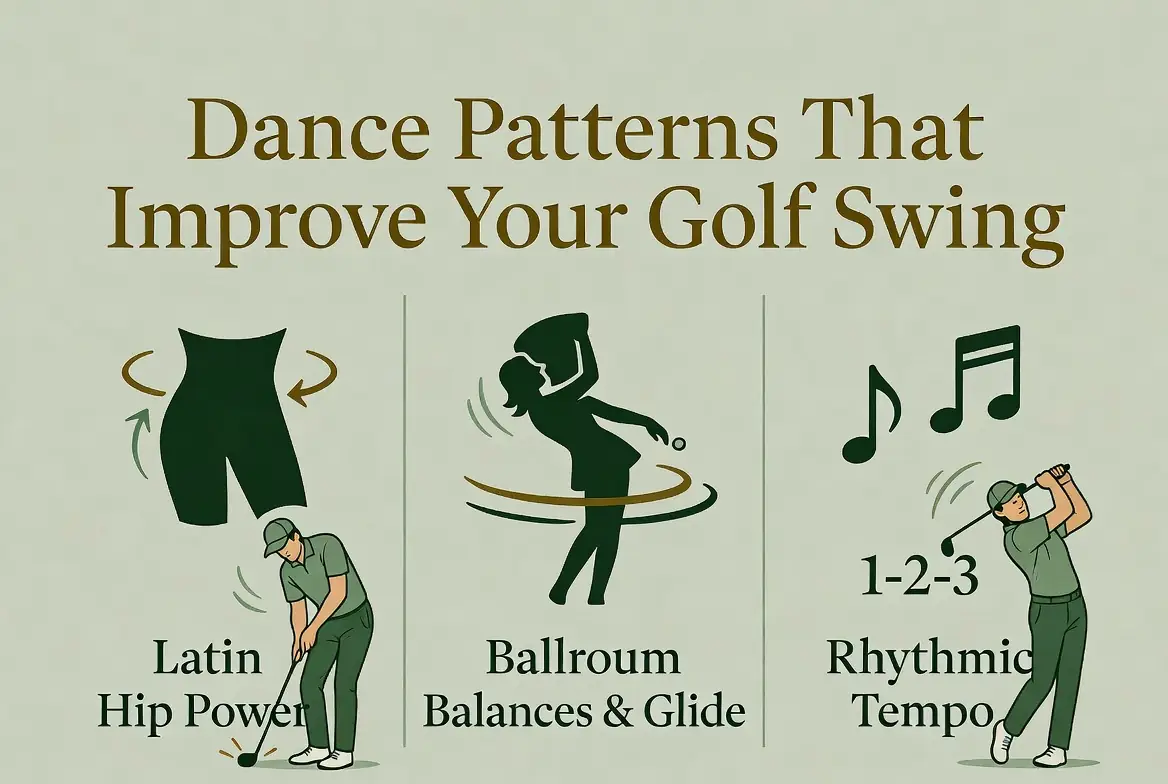
Pattern 1: The Latin Hip Whip (Salsa, Rumba & Cha-Cha)
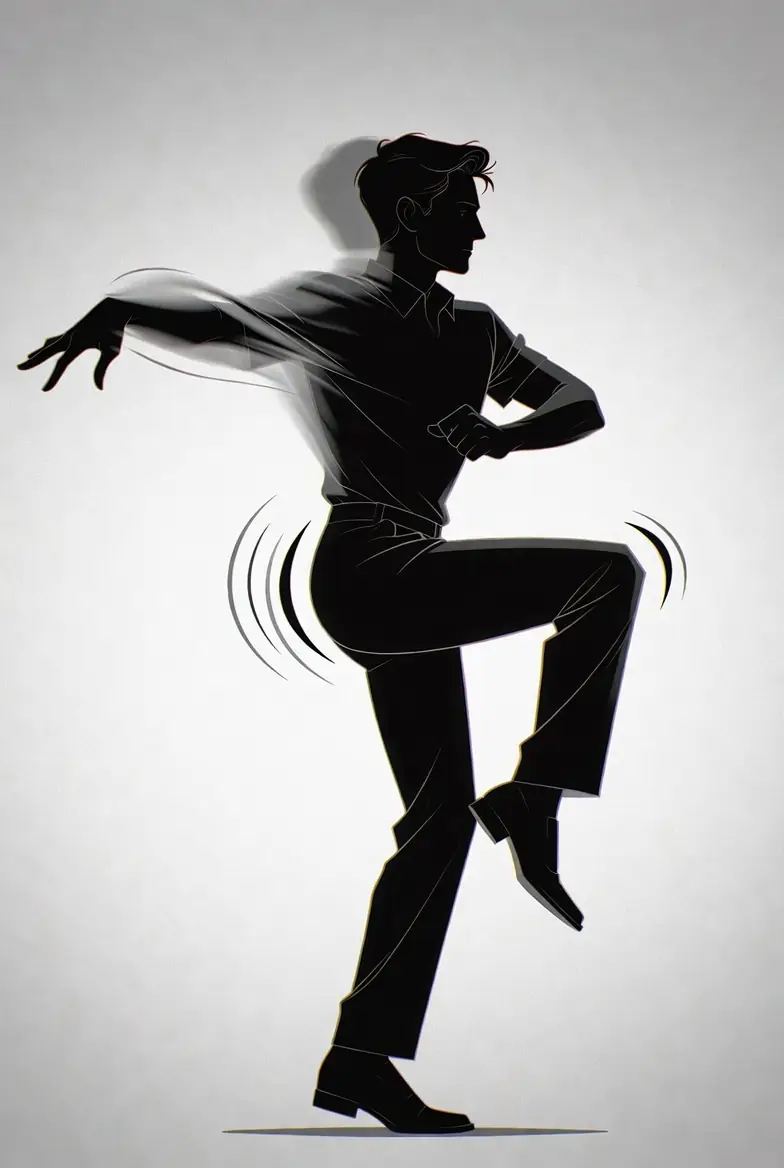
What dancers do: In rumba and salsa, dancers isolate and drive power through the hips using “Cuban motion” — a subtle but powerful rotation and weight shift while the upper body stays stable and connected. The power comes from the core and legs, not the arms.
Why it maps to the golf swing: This closely mirrors what good players do in the downswing. The lower body initiates, the pelvis clears, and the upper body stays “quiet” longer, creating lag and then a powerful release. Struggling golfers often reverse this — arms and shoulders dominate early, costing power and consistency.
How to practice it:
- Stand in golf posture (or just an athletic stance).
- Without a club, practice a simple salsa or rumba basic step: shift weight side to side with a slight hip rotation on each step. Feel the core engage and hips rotate while the shoulders stay relatively quiet.
- Add a club. Do slow practice swings, initiating the downswing with that same hip-rotation feeling. Let the arms and club follow the body.
- Film it, or use your launch monitor or simulator (Uneekor, SkyTrak, GolfZon, etc.) to check whether your pelvis-rotation timing and face-to-path consistency improve.
Pattern 2: Ballroom Balance & Glide (Waltz, Foxtrot & Tango)
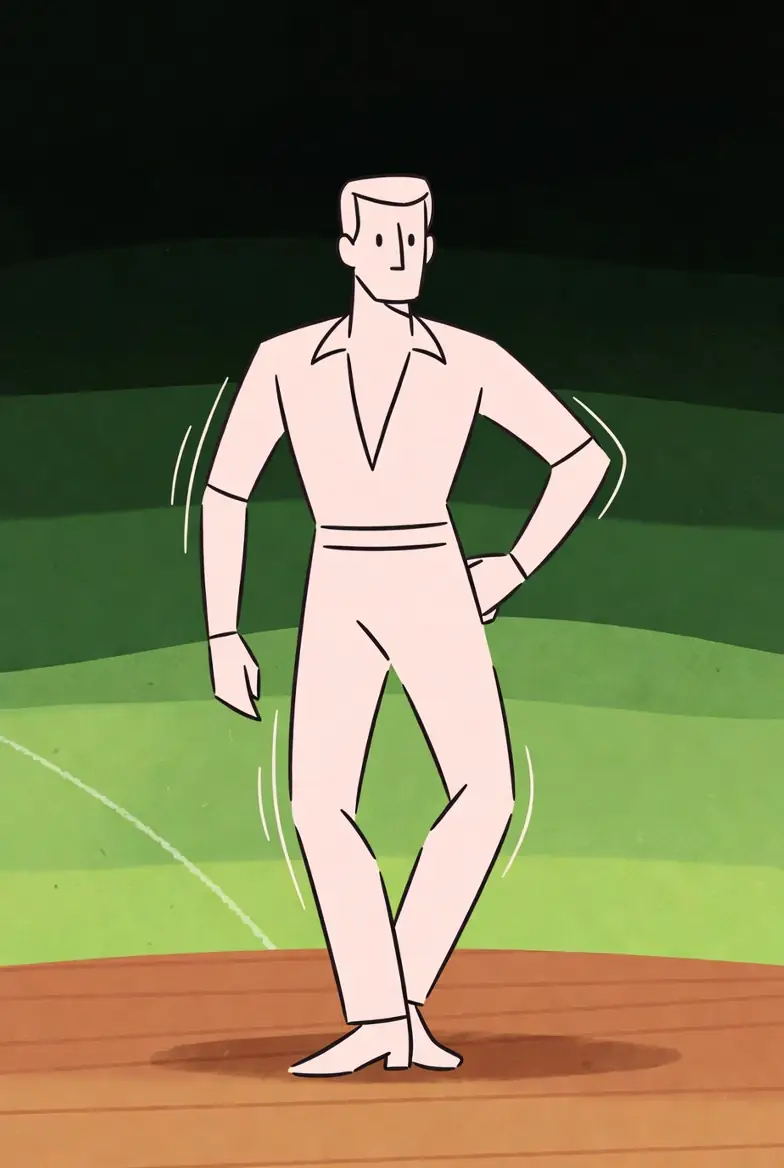
What dancers do: Ballroom dancers constantly shift weight smoothly while maintaining posture, balance, and connection. They move in multiple directions without losing their center or “frame.” The movement looks effortless because it’s controlled.
Why it maps to the golf swing: Many amateur swing faults trace back to balance — swaying, reverse pivot, early extension. Ballroom trains dynamic balance: staying centered while moving. That translates to a stable base, a better pressure shift from trail to lead foot, and holding your spine angle.
How to practice it:
- Put on a slow waltz or foxtrot track.
- Practice “golf posture walks”: step forward, back, or side-to-side in golf posture, keeping your head and chest level while pressure moves under your feet.
- Try the “Dance the Waltz” drill from LPGA winner Charlotta Sorenstam, Director of Golf Operations at the Annika Academy, published in Golf Tips Magazine: make practice swings with an iron while your lead foot steps back toward the trail foot on the backswing (count 1…2) and steps forward again as you swing down and through (count 3…2…1). It builds rhythm, timing, and balance — and there’s a video of Sorenstam demonstrating it.
- On the simulator: check your pressure data or video. Does your finish look balanced and “dancer-like” — centered, tall, stable?
The goal is to make your swing feel like a dance — flowing and balanced rather than a series of positions to hit.
Pattern 3: Rhythmic Tempo & Sequencing (Swing to Music)
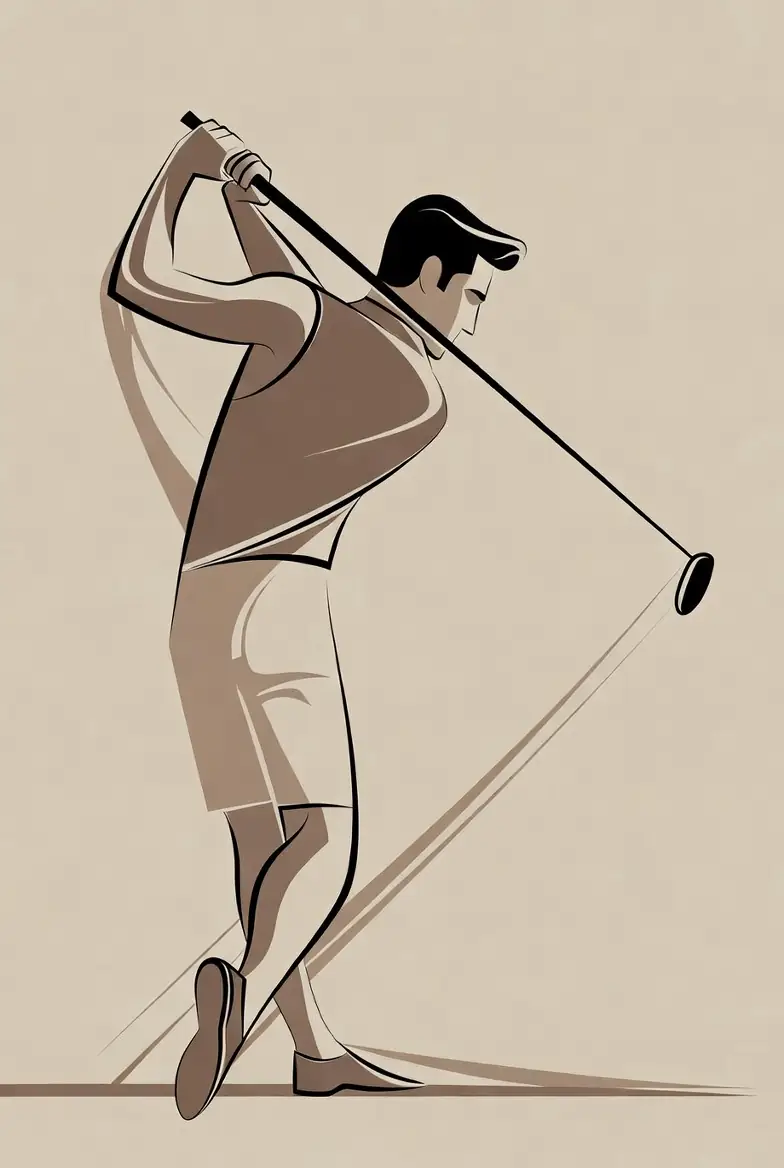
Tempo matters as much as technique. Tempo research popularized by John Novosel’s Tour Tempo found that elite players tend toward a roughly 3:1 backswing-to-downswing ratio. Dancers live and breathe counting and musicality, and swinging to a beat gives your brain external rhythm feedback that counting alone often can’t.
The quick version:
- Play a slow waltz or any song with a clear, lilting 3/4 feel.
- On the practice tee or in the simulator bay, take 10–15 practice swings trying to “dance” the club to the music — many players feel the backswing over two beats and the downswing on the third.
- Add footwork if it helps: a small step or weight shift on the counts, as in the Sorenstam drill above.
If you want tempo help beyond a playlist, the Golf BPM app (created by PGA Class A professional Doug Timmons) streams music calibrated to specific swing tempos for driver, irons, chipping, and putting.
Pattern 4: Ballet Posture, Thoracic Rotation & the Single-Leg Finish
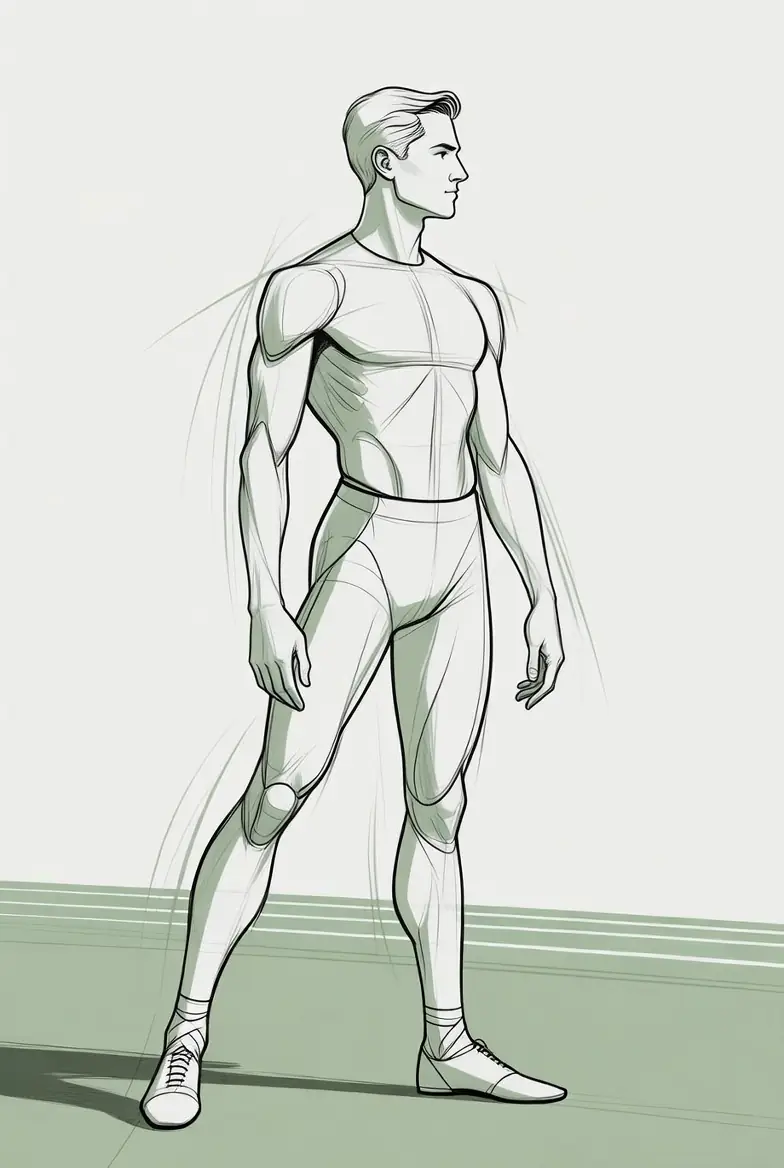
What dancers do: Ballet training builds posture, core strength, thoracic-spine mobility (rotating the upper back independently), and the ability to balance on one leg while staying aligned.
Why it maps to the golf swing: Amateurs commonly lose posture (early extension), lack thoracic rotation (forcing compensations), or fall off balance in the finish. Ballet-style work targets the tall, stable spine angle through the swing, a fuller shoulder turn, and a poised single-leg finish that signals good weight transfer.
How to practice it:
- Golf-posture holds: get into golf posture, slowly shift to your lead leg, lift the trail foot slightly, and hold 10–20 seconds per side while keeping spine angle and a steady head.
- Thoracic rotations: in golf posture (or on all fours for an easier version), rotate your upper back while the lower body stays stable — mimicking the coil and uncoil of the swing.
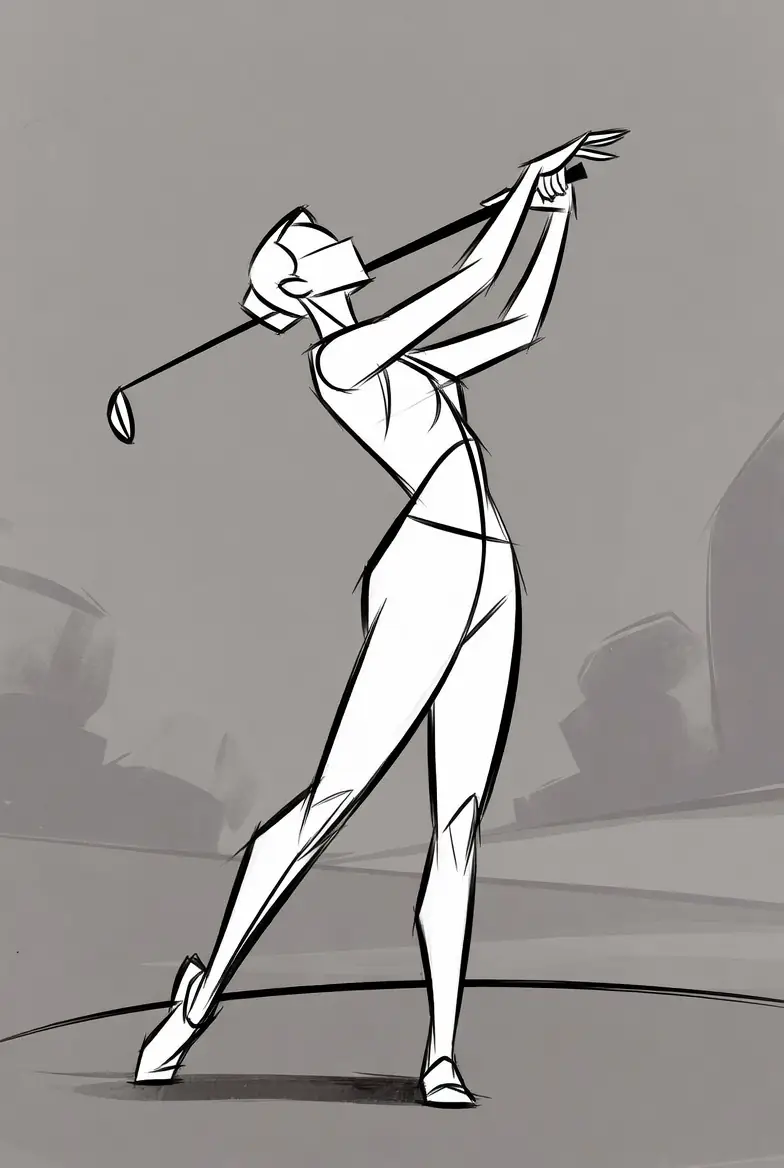
- Finish-position drill: after every practice swing, hold your finish on the lead leg for 3–5 seconds like a dancer sticking a pose. Film it — balanced and extended, or falling backward?
- On the simulator: check finish data or video overlay for posture consistency.
Pattern 5: Partner Connection & Frame (Ballroom & Tango)
What dancers do: In partner dances like tango and foxtrot, dancers maintain a strong “frame” — structured posture and connected arms — while moving together. There are no floppy arms or disconnects; the connection allows precise, powerful, controlled movement.
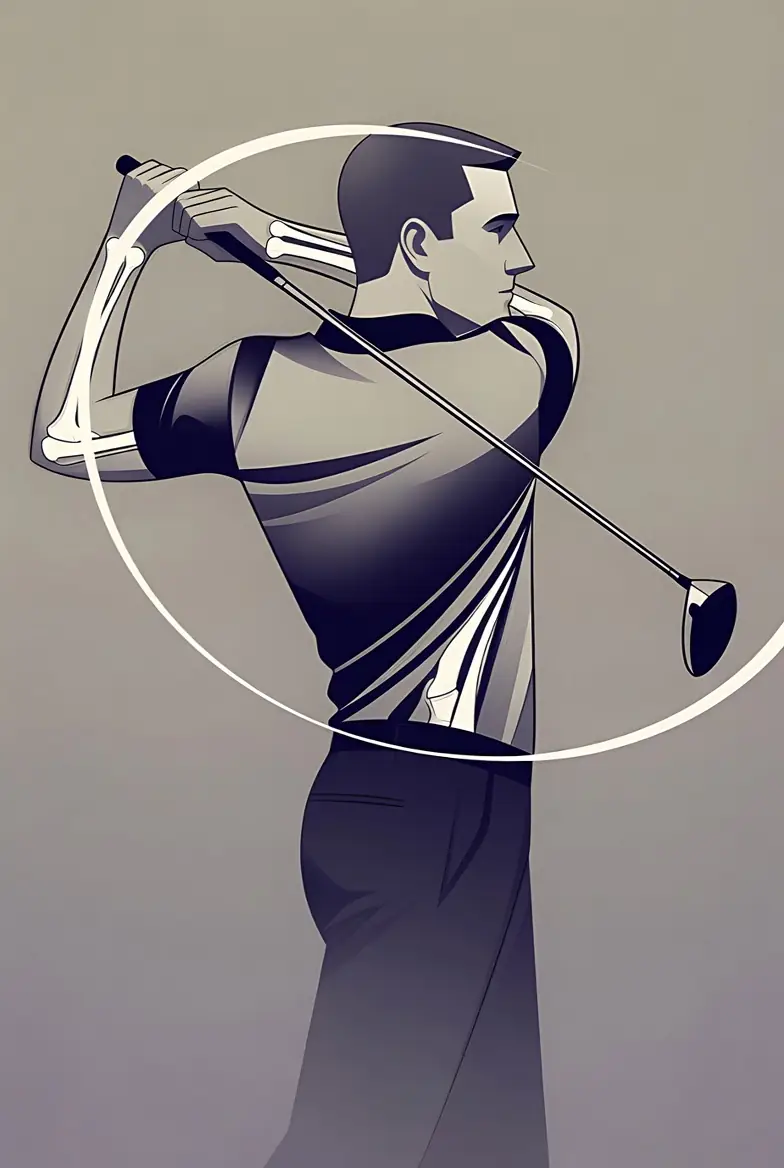
Why it maps to the golf swing: One of the most common faults is casting or early release — the arms disconnect from the body and throw the club. Good players keep the arms connected to the rotating torso, maintaining width and structure: the “frame” of the swing.
How to practice it:
- Without a club, stand in golf posture and imagine holding a partner in dance frame — arms slightly rounded, structured but not rigid, connected through the core. Practice small rotations while keeping that connected feeling.
- With a club: slow half-swings focusing on the upper arms staying close to the chest during the backswing and transition. Feel the torso leading the arms.
- Tango-inspired commitment: on the downswing, think “sharp but controlled” — commit to the target like a tango dancer stepping with intention.
- Simulator check: compare video of connected vs. disconnected swings; watch face-to-path consistency.
Your “Dance Your Swing” Playlist
A starting playlist for grooving these patterns during range or simulator sessions:
Smooth tempo tracks: “Wonderful Tonight” (Eric Clapton), “Tennessee Whiskey” (Chris Stapleton), “Fly Me to the Moon” (Frank Sinatra or instrumental versions), “Moon River” (instrumental or Andy Williams).
Latin groove tracks for hip rotation: “The Girl from Ipanema” (Stan Getz & Astrud Gilberto), slow vocal or instrumental rumba versions of “Bésame Mucho” — or search “slow rumba” or “cha cha instrumental” playlists.
Pro tip: Or simply count “1-2-3” out loud during swings — the counting itself is the drill.
From Salsa Hip to Golf Power — In Motion
Watch how the dancer’s isolated hip rotation and weight shift parallel the golfer’s lower-body initiation in the downswing:

What to Watch on Your Simulator
Practicing these patterns on a launch monitor or simulator (Uneekor, SkyTrak, GolfZon, Full Swing, etc.) gives you objective feedback:
- Pelvis/hip rotation timing — is the lower body leading the downswing? (Patterns 1 and 4.)
- Pressure distribution — smoother trail-to-lead transfer and more pressure on the lead side at impact and finish. (Patterns 2 and 4.)
- Tempo ratio — if your device shows backswing:downswing ratio, rhythm work tends to move it toward consistency without forcing it. (Pattern 3.)
- Posture loss / early extension — ballet posture work targets this directly. (Pattern 4.)
- Hand path and early release — connection work shows up as more consistent face-to-path and smash factor. (Pattern 5.)
- Dispersion — tighter shot patterns as sequencing and balance improve.
Film a handful of swings before and after adding one pattern and compare the video and data for yourself.
Final Takeaway: Dance First, Swing Better
You don’t need dance lessons (though they’re excellent cross-training). You just need to borrow the patterns: the hip whip from Latin dance for rotational power, the smooth glide and balance from ballroom for consistency, and the rhythm and counting from the waltz for tempo.
Do the drills. Play the playlist. Check your video or simulator data. Your swing already wants to be a dance — give it the right music and moves.
Ready to level up your practice? Check out our reviews and comparisons of golf simulators and launch monitors — perfect for grooving these patterns at home.